
Science
Spark Curiosity with Hands-On Experiments at Home
Simple, safe experiments that turn everyday kitchen items into exciting science lessons for young learners.
Read More →Insights, tips, and stories from the world of Science, Technology, Engineering, and Math.
Curiosity is the engine that drives all scientific discovery. When a young learner asks why the sky is blue or how a seed knows to grow upward, they are practicing the same fundamental skill that propels professional researchers forward. In science classrooms and home workshops alike, the simple act of wondering opens doors to deeper understanding. Encouraging students to ask questions without fear of being wrong builds a mindset that serves them well beyond the classroom. This kind of intellectual bravery transforms passive learning into an active, lifelong pursuit of knowledge across every STEM discipline.
Technology moves at a breathtaking pace, but the principles behind it remain anchored in curiosity. Understanding how an algorithm learns or what makes a smartphone processor tick starts with a willingness to explore. Young minds that tinker with code or take apart old electronics are building intuition that no textbook can fully provide. These hands-on experiences teach problem-solving and resilience, showing that failure is simply a step toward a working solution. By nurturing this exploratory drive, we prepare the next generation not just to use technology, but to shape it thoughtfully.
Engineering challenges are really puzzles waiting to be solved, and curiosity is the tool that cracks them open. From designing a bridge that withstands wind to programming a robot that navigates a room, every engineering feat begins with a question. Encouraging students to sketch, build prototypes, and test their ideas teaches them that iteration is more valuable than perfection. The most creative engineers are those who remain endlessly curious about how things work and how they might work better. This hands-on approach to learning builds confidence and practical skills that last a lifetime.
Mathematics often gets a reputation for being rigid, but at its heart it is a playground for curiosity. Patterns, puzzles, and logical reasoning invite learners to ask why numbers behave the way they do. When a student discovers multiple paths to solve a single problem, they learn that math is not about memorizing steps but about thinking flexibly. This mindset turns frustration into fascination and builds a foundation for advanced study in any STEM field. Cultivating curiosity in math early on opens doors to data science, cryptography, and countless other exciting careers.
Simple, safe experiments that turn everyday kitchen items into exciting science lessons for young learners.
Read More →
Computational thinking builds problem-solving skills that benefit learners across all subjects.
Read More →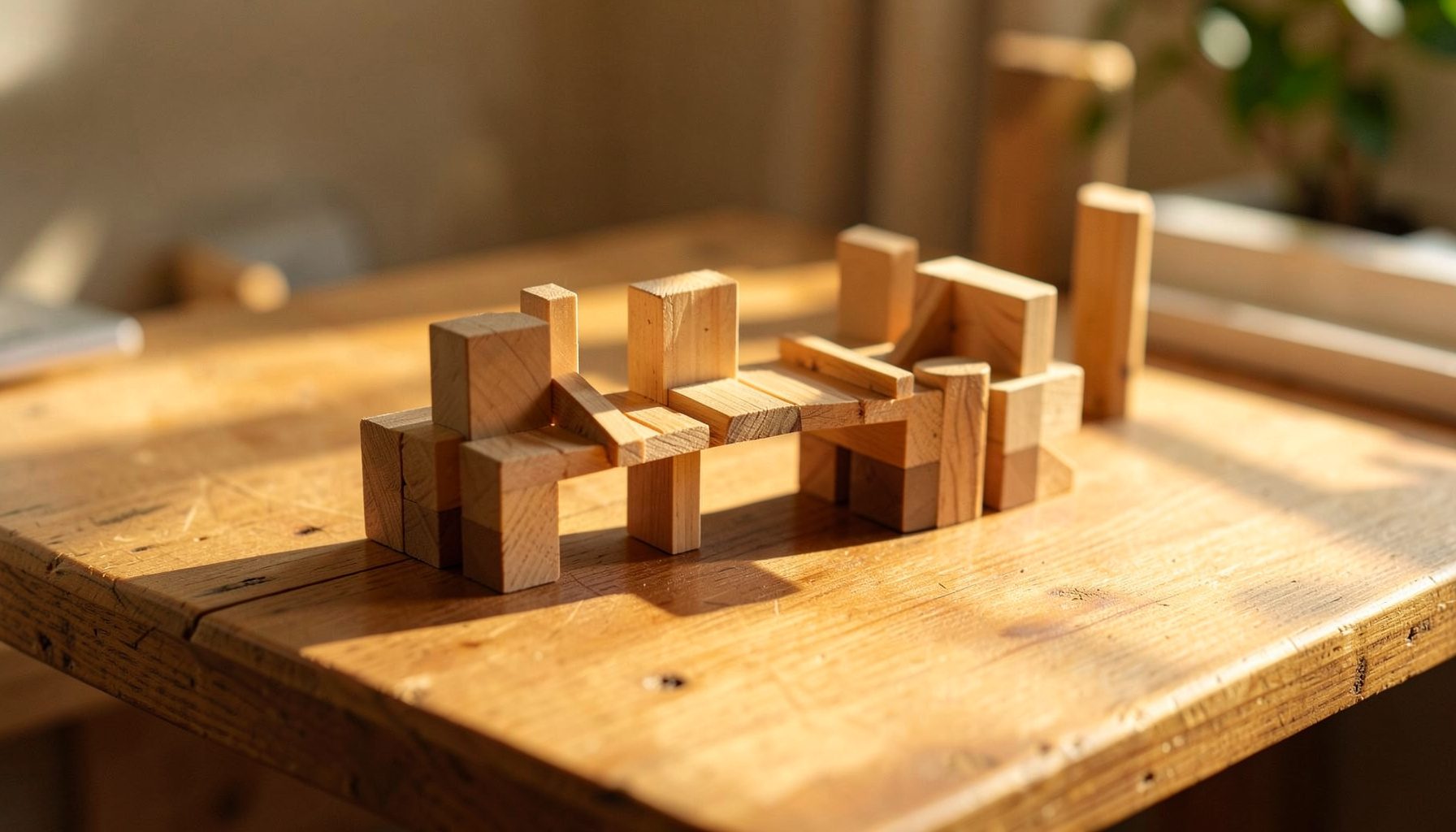
Team-based design challenges that teach structural principles and collaborative problem-solving.
Read More →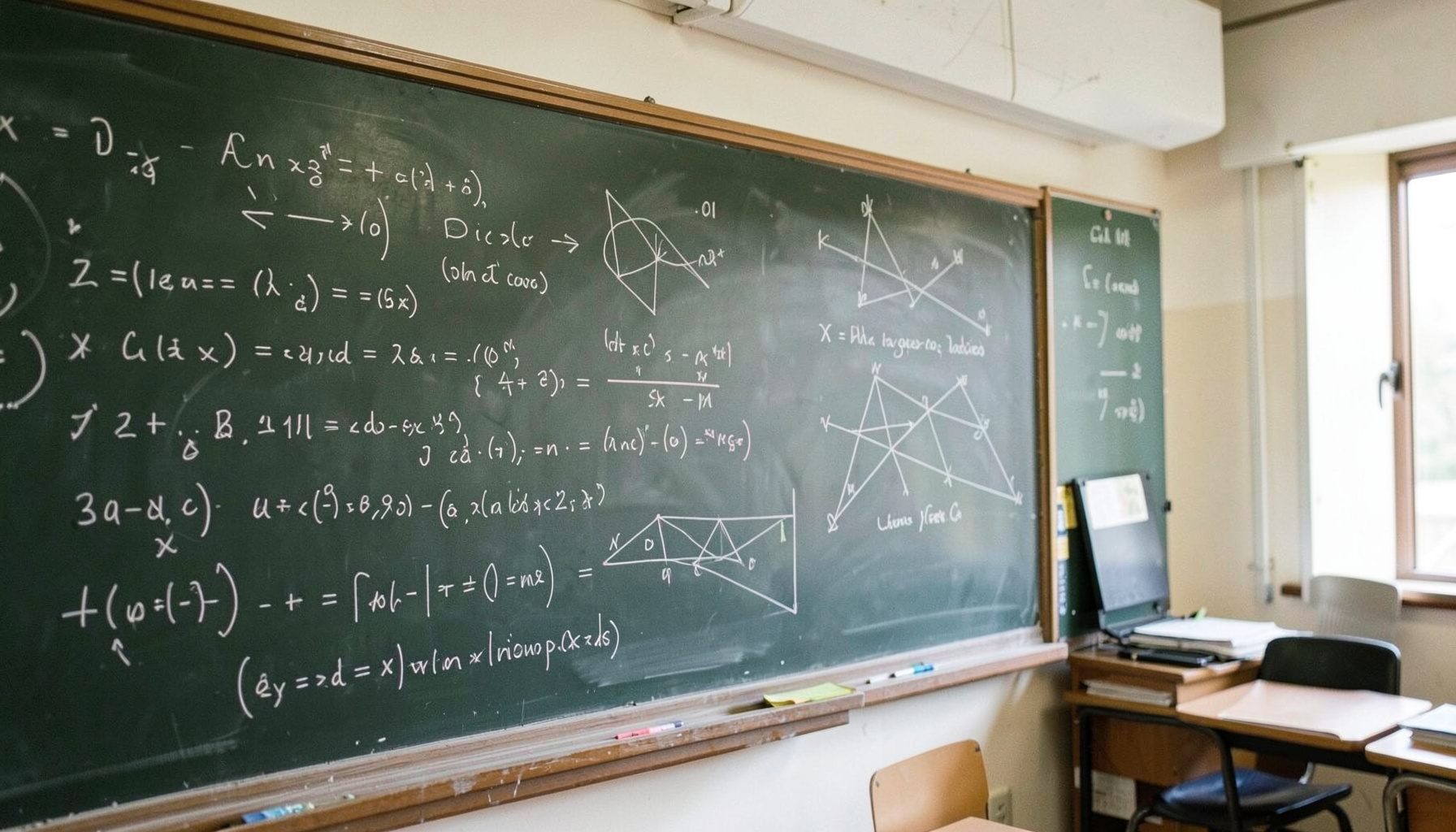
Engaging activities and puzzles that help students build confidence with numbers and patterns.
Read More →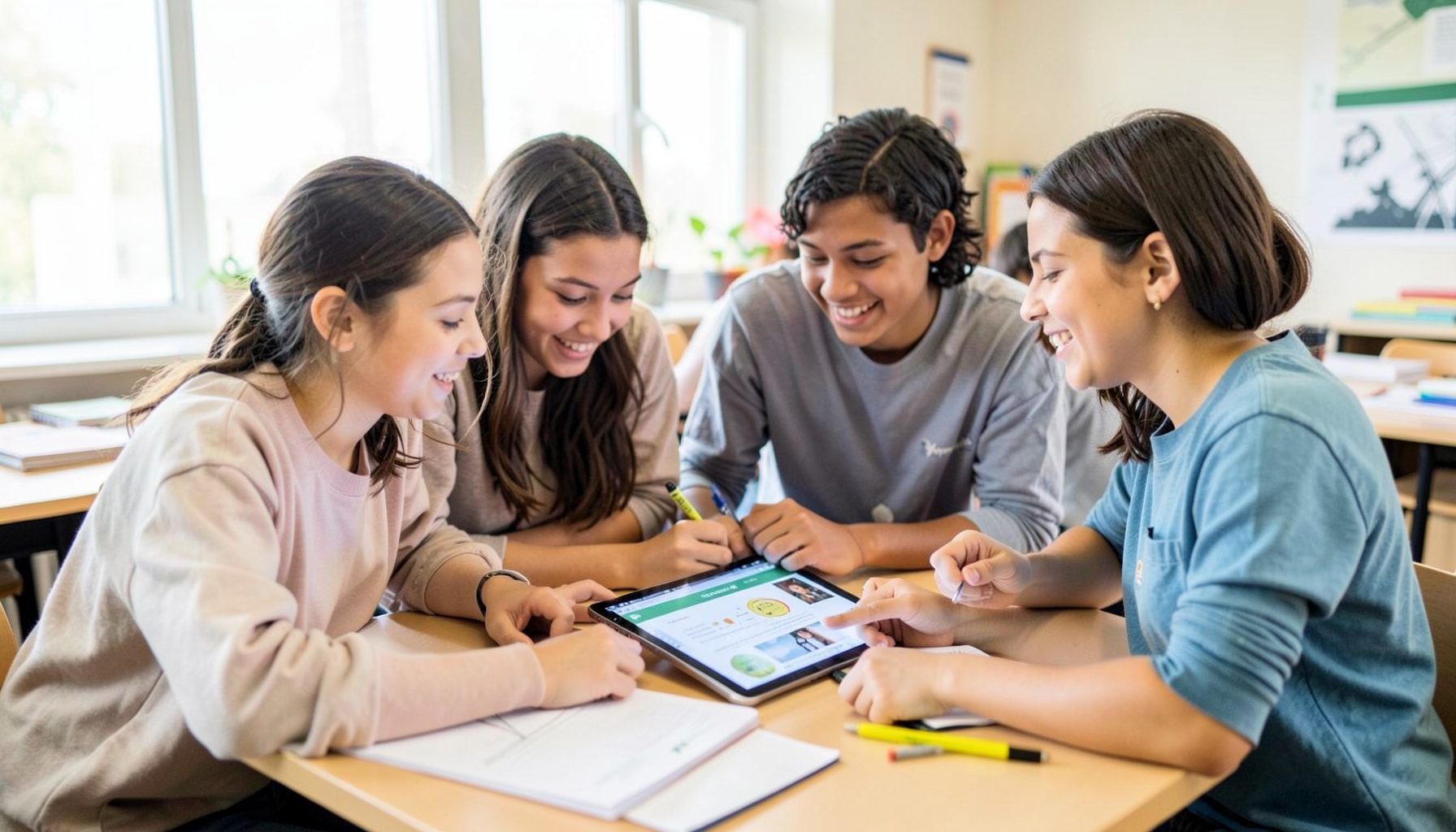
Collaborative environments help students share ideas, ask questions, and deepen their understanding.
Read More →
Outdoor observation activities that connect biology and ecology concepts to the real world.
Read More →